

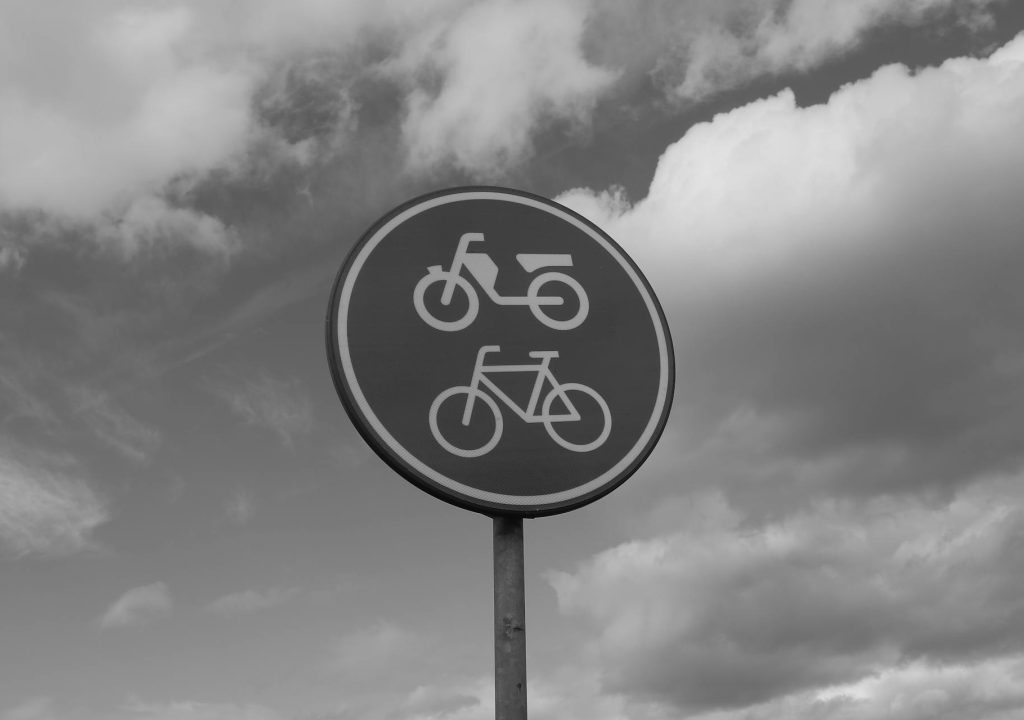
Traffic science is the study of how vehicles, pedestrians, cyclists, and public transport systems move through roads and cities. It focuses on understanding traffic flow, safety, infrastructure design, and the behavior of road users. This field combines engineering, psychology, urban planning, and technology to create better transportation systems that reduce accidents, save time, and improve daily travel experiences.
Traffic science is important because modern cities depend heavily on transportation. With growing populations and increasing vehicle ownership, traffic congestion and road safety have become major challenges. Traffic science helps governments and planners design solutions that keep roads efficient and safe. It also supports sustainable development by improving public transport systems and reducing harmful emissions caused by heavy congestion.
By analyzing how traffic behaves in different conditions, experts can predict traffic patterns, reduce bottlenecks, and implement strategies to make travel smoother. Traffic science is not only about vehicles, but also about managing human behavior, improving decision-making, and ensuring that every road user is protected.
Traffic science is built on several key elements that shape how roads and transportation systems function. These include traffic flow theory, road infrastructure design, traffic control systems, and road safety measures. Each element works together to ensure that traffic moves in an organized way and that accidents are minimized.
Traffic science also includes the study of travel demand, which examines why people travel, how often they travel, and what transportation methods they choose. Understanding travel demand is essential for building effective roads and transport systems that match the needs of a city.
Another important element is traffic monitoring and data collection. Modern traffic science relies heavily on data gathered through sensors, cameras, GPS tracking, and traffic surveys. This information helps experts measure congestion levels, identify accident-prone areas, and plan improvements.
Traffic flow refers to the movement of vehicles and road users through a transportation network. Traffic science studies how traffic behaves under different road conditions, speed limits, and vehicle densities. It aims to understand why traffic congestion forms and how it can be prevented.
Traffic flow is often measured using factors such as speed, volume, and density. Speed refers to how fast vehicles move, volume refers to the number of vehicles passing a point in a certain time, and density refers to how closely vehicles are packed together. When density becomes too high, traffic slows down, and congestion occurs.
Traffic science also examines how small disruptions, such as sudden braking or lane changes, can create traffic waves that cause delays far behind the original event. This is why traffic sometimes slows down even without visible accidents or obstacles. Understanding these patterns helps engineers design better roads and smarter traffic management systems.
Traffic congestion is one of the most common issues studied in traffic science. Congestion occurs when traffic demand exceeds the capacity of a road. This leads to slower speeds, longer travel times, and increased frustration among drivers.
Congestion can be caused by many factors. One major cause is poor infrastructure design, such as narrow roads, limited intersections, ora lack of alternative routes. Another cause is high vehicle ownership, especially in cities where public transport options are limited. Accidents, road construction, and weather conditions also contribute to congestion.
Traffic science studies congestion not only to reduce delays but also to lower pollution. When vehicles remain stuck in traffic, fuel consumption increases, and air quality becomes worse. By improving traffic flow, cities can reduce emissions and create healthier environments.
Road infrastructure is a major focus of traffic science. The way roads are designed has a direct impact on safety, efficiency, and driver behavior. Road design includes lane width, road curves, slope, intersections, pedestrian crossings, and the placement of traffic signals.
Traffic science helps planners decide where to build highways, bridges, tunnels, and roundabouts. It also plays an important role in designing safe walking and cycling paths. Well-designed infrastructure ensures that different road users can travel without conflict.
City planning is also connected to traffic science. Poorly planned cities often experience extreme congestion because roads are not built to handle growing populations. Traffic science supports smart urban development by promoting transport networks that balance cars, buses, trains, and non-motorized travel options.
Traffic control systems are essential for managing vehicle and pedestrian movement. These systems include traffic lights, stop signs, roundabouts, speed limits, and road markings. Traffic science studies how these controls influence driver decisions and overall road efficiency.
Traffic signals are one of the most important tools for controlling intersections. Poorly timed traffic lights can increase congestion and create unnecessary delays. Traffic science uses signal timing models to optimize traffic lights based on vehicle flow patterns.
Modern traffic systems often use adaptive signals that change timing based on real-time traffic conditions. These systems use sensors to detect vehicle volume and adjust green and red light durations. This improves traffic flow and reduces waiting time at intersections.
Traffic science also supports the use of smart traffic control methods, such as dedicated bus lanes, pedestrian signal prioritization, and emergency vehicle signal control to allow faster response times.
Traffic safety is a key goal of traffic science. Road accidents cause injuries, deaths, and economic loss. Traffic science works to reduce accidents through better road design, strict enforcement, and improved driver education.
Accident prevention includes analyzing high-risk areas such as sharp turns, busy intersections, and poorly lit roads. Traffic experts study accident data to identify patterns and determine the main causes of crashes. Common causes include speeding, distracted driving, drunk driving, and poor road conditions.
Traffic science also focuses on protective measures such as guardrails, speed bumps, warning signs, and proper pedestrian crossings. These safety features help reduce the severity of accidents and protect vulnerable road users like children and cyclists.
Traffic science is not only about roads and vehicles, but it is also about people. Human behavior plays a major role in traffic flow and road safety. Drivers often make mistakes due to stress, impatience, fatigue, or lack of attention.
Traffic science studies driver psychology to understand why people speed, change lanes aggressively, or ignore traffic rules. By understanding these behaviors, experts can design roads and systems that encourage safer driving.
For example, clear road markings and visible signs reduce confusion. Roundabouts are often safer than traditional intersections because they reduce high-speed collisions. Speed cameras and enforcement systems also discourage dangerous behavior by increasing accountability.
Pedestrian behavior is another important area of study. Traffic science examines how pedestrians choose crossing points, how they respond to signals, and how road design can reduce pedestrian accidents.
Public transportation is an important part of traffic science because it reduces the number of private vehicles on the road. Buses, trains, and metro systems help reduce congestion and support more efficient city travel.
Traffic science helps design public transport routes, schedules, and station locations. A well-planned transport system ensures that passengers can travel quickly without needing private cars. This also reduces pollution and fuel consumption.
Traffic science supports strategies such as bus rapid transit systems, dedicated bus lanes, and integrated transport networks that connect buses with metro and railway systems. These improvements increase public transport usage and reduce traffic load.
Efficient public transport planning also supports economic growth because workers can reach jobs faster and businesses can operate more smoothly.
Technology has transformed traffic science in recent years. Smart traffic management uses data, sensors, artificial intelligence, and communication systems to monitor and control traffic flow. These systems allow real-time decision-making that improves road efficiency.
Traffic cameras, GPS tracking, and digital mapping systems provide accurate information about congestion and accidents. Traffic management centers use this data to adjust traffic signals, suggest alternate routes, and respond quickly to incidents.
Smart traffic science also includes the development of connected vehicles. These vehicles communicate with each other and with traffic systems to prevent collisions and improve flow. For example, a connected vehicle can warn drivers about sudden stops ahead or accidents around a corner.
Autonomous vehicles are also shaping the future of traffic science. Self-driving technology has the potential to reduce human error and improve road safety, but it also creates new challenges for infrastructure and traffic regulation.
Traffic science plays a major role in reducing the environmental impact of transportation. Traffic congestion increases carbon emissions, fuel consumption, and air pollution. Sustainable traffic planning focuses on reducing these problems through better systems.
Solutions include promoting public transport, encouraging cycling and walking, and developing electric vehicle infrastructure. Traffic science also supports the creation of low-emission zones where only clean vehicles are allowed.
Urban planners also use traffic science to design cities where people can access schools, markets, and workplaces without long-distance travel. This reduces the overall need for vehicles and improves the quality of life.
Traffic science helps balance transportation needs with environmental protection, ensuring that development does not harm future generations.
Traffic science is becoming more important as cities grow and transportation demands increase. Future traffic systems will likely depend on smart technologies, advanced road designs, and stronger safety policies. Artificial intelligence will play a major role in predicting congestion and improving traffic control systems.
Traffic science will also focus on integrating autonomous vehicles, improving pedestrian-friendly infrastructure, and developing efficient public transport systems. With proper planning, traffic science can help create cities where travel is safe, smooth, and environmentally responsible.
As technology continues to evolve, traffic science will remain essential for improving mobility and building smarter, safer, and more sustainable transportation networks.
Have questions or need help? Contact us anytime and our friendly team will be happy to assist you with bookings, courses, and all driving training inquiries.