

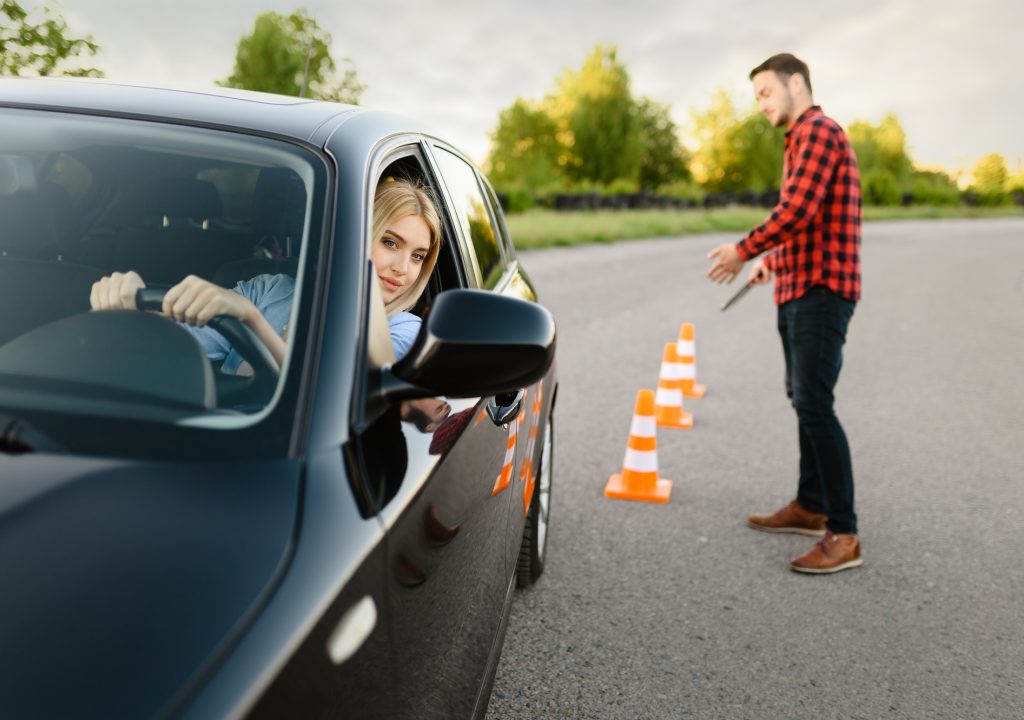
Automatic driving lessons are designed to help learners confidently drive vehicles with automatic transmission. Unlike manual cars, automatic vehicles do not require clutch control or gear shifting, making them easier to handle for beginners. This course focuses on building safe driving habits, improving road awareness, and preparing learners for real-world driving situations.
The main purpose of an automatic driving lessons course is to provide structured training that covers both theoretical knowledge and practical driving skills. It is suitable for complete beginners as well as drivers who already have experience in manual driving but want to switch to automatic vehicles. The lessons are planned in a step-by-step format, allowing learners to progress at a comfortable pace while gaining confidence behind the wheel.
Automatic driving courses are especially useful for people who feel nervous about driving or struggle with coordination in manual cars. Since the vehicle manages gear changes automatically, learners can focus more on steering, braking, road positioning, and traffic observation.
Automatic driving lessons are ideal for anyone who wants to learn to drive quickly and efficiently. Many learners choose automatic lessons because they find manual transmission challenging or stressful. It is also a good option for older learners who may want a simpler learning process without the pressure of clutch control.
This course is also suitable for individuals who plan to drive automatic cars regularly, such as city commuters, working professionals, and people who frequently drive in traffic-heavy areas. Automatic vehicles are becoming more common worldwide, making this course a practical investment for future driving needs.
Learners with physical limitations may also benefit from automatic driving lessons, as they reduce the need for complex footwork. This makes driving more accessible and comfortable for a wider range of people.
Automatic driving lessons cover all the essential skills needed to become a safe and responsible driver. The course begins with basic vehicle understanding and gradually moves toward advanced driving techniques.
Students learn how to operate the accelerator and brake smoothly, maintain lane discipline, use mirrors correctly, and understand road signs. Instructors also train learners on proper steering control and safe distance management.
The course places strong emphasis on observation skills. Learners are taught to check blind spots, use mirrors frequently, and anticipate the actions of other drivers. These skills are critical for accident prevention and confident driving.
Automatic vehicles are simpler in design compared to manual cars, but learners must still understand the main controls properly. The course introduces learners to the gear selector positions such as Park, Reverse, Neutral, and Drive. Students also learn when to use these gears and how to shift safely.
The lessons explain the use of the handbrake, footbrake, and accelerator. Learners are guided on the correct seating position, steering grip, and pedal control. Instructors also teach the importance of dashboard warning lights and basic car indicators.
Students gain knowledge of features such as hill-hold assistance, cruise control, and parking sensors, if available, helping them feel comfortable with modern vehicle technology.
One of the first practical lessons in an automatic driving course is learning how to start and stop the car safely. Students are taught how to start the engine, select the correct gear, and move off smoothly.
Smooth acceleration is an important part of safe driving. Learners practice applying gentle pressure to the accelerator to avoid sudden jerks. They also learn controlled braking techniques for safe stopping at traffic lights, junctions, and pedestrian crossings.
Stopping smoothly is essential for passenger comfort and vehicle safety. The course teaches learners how to reduce speed gradually, maintain control, and stop at the correct distance behind other vehicles.
Steering control is a fundamental skill that is covered throughout the course. Learners practice steering techniques such as push-pull steering and controlled turning. They also learn how to position the vehicle correctly in the lane and avoid drifting.
The course focuses on lane discipline, which includes staying centered in the lane, understanding road markings, and changing lanes safely. Learners are trained to indicate early, check mirrors, and perform blind spot checks before moving.
Driving on narrow roads and handling sharp turns is also included, helping students build confidence in different road conditions.
Automatic driving lessons often emphasize city driving because urban roads can be challenging for beginners. Learners practice handling heavy traffic, frequent stopping, and slow-moving vehicles. They are taught how to remain calm and make safe decisions under pressure.
Students learn how to deal with pedestrians, cyclists, buses, and motorbikes. They also practice navigating roundabouts, traffic signals, and busy intersections. Urban driving lessons include awareness training to prevent sudden braking or unsafe lane changes.
The course also teaches learners how to maintain a safe following distance and react to sudden stops in traffic.
Junction handling is one of the most important parts of driving lessons. Learners are trained on approaching junctions safely, judging gaps in traffic, and making smooth turns. The course explains how to use mirrors, signals, and correct positioning before turning.
Roundabouts can be confusing for beginners, so instructors provide step-by-step guidance. Students learn how to choose the correct lane, give way rules, and exit safely. They practice different roundabout sizes and traffic conditions to build confidence.
Safe turning techniques are taught in detail, including turning left, turning right, and performing U-turns where legal.
Parking is a major part of automatic driving lessons, as it requires control, patience, and awareness. Learners practice common parking methods such as parallel parking, bay parking, and reverse parking. They are taught how to judge space, use mirrors effectively, and steer accurately.
Manoeuvres such as three-point turns and reversing around corners are also included in many courses. These skills help learners handle real-world situations like narrow streets and crowded parking areas.
The course also includes guidance on parking safety, such as checking surroundings, avoiding obstacles, and ensuring the vehicle is properly secured after parking.
For ready learners, the course may include highway driving lessons. This section focuses on driving at higher speeds while maintaining full control and awareness. Students learn how to merge safely, use acceleration lanes, and maintain a safe distance from other vehicles.
Overtaking rules and safe lane changes are explained in detail. Learners also practice reading road signs, handling exits, and understanding speed limits. Driving at higher speeds requires quicker decision-making, so the course trains learners to remain focused and alert.
Highway lessons also cover handling long-distance driving and avoiding fatigue through proper breaks and safe planning.
A key part of an automatic driving course is defensive driving. Defensive driving teaches learners to anticipate risks and respond calmly to dangerous situations. Students learn how to identify hazards early and adjust speed accordingly.
The course includes hazard perception training, teaching learners to spot potential dangers such as sudden pedestrian crossings, careless drivers, and unpredictable traffic movement. Learners also understand the importance of safe distance and proper braking.
Road safety awareness includes learning about weather conditions, night driving challenges, and handling slippery roads. This helps learners become responsible drivers in all situations.
Automatic driving lessons are often structured to prepare learners for their driving test. The course covers test requirements such as mirror checks, signaling, lane discipline, and correct vehicle control. Learners practice common test routes and driving scenarios.
Mock driving tests may be included to help learners experience real test conditions. This reduces anxiety and improves performance. Instructors provide feedback on weak areas and help learners correct mistakes.
The course also teaches learners how to stay calm during the test, follow the examiner’s instructions, and drive confidently without rushing.
Automatic driving lessons offer many advantages, especially for learners who want a simpler and faster learning experience. Since there is no clutch or manual gear shifting, learners can focus more on the road and traffic conditions.
Automatic driving reduces stress in stop-and-go traffic, making it ideal for city driving. It also helps learners build confidence more quickly, especially those who feel nervous while driving.
Another major benefit is smoother driving. Automatic cars provide easier acceleration and braking control, which can improve comfort and safety. For many learners, this makes driving feel more enjoyable and less overwhelming.
The ultimate goal of an automatic driving lessons course is to create confident, safe, and responsible drivers. Through consistent practice and professional guidance, learners develop the ability to handle real-life driving challenges.
Students finish the course with better awareness, improved decision-making, and strong control of the vehicle. They learn to drive safely in different environments, from quiet streets to busy highways.
Automatic driving lessons provide a strong foundation for lifelong driving skills, ensuring learners are prepared not only to pass their test but also to drive independently with confidence.
Have questions or need help? Contact us anytime and our friendly team will be happy to assist you with bookings, courses, and all driving training inquiries.